

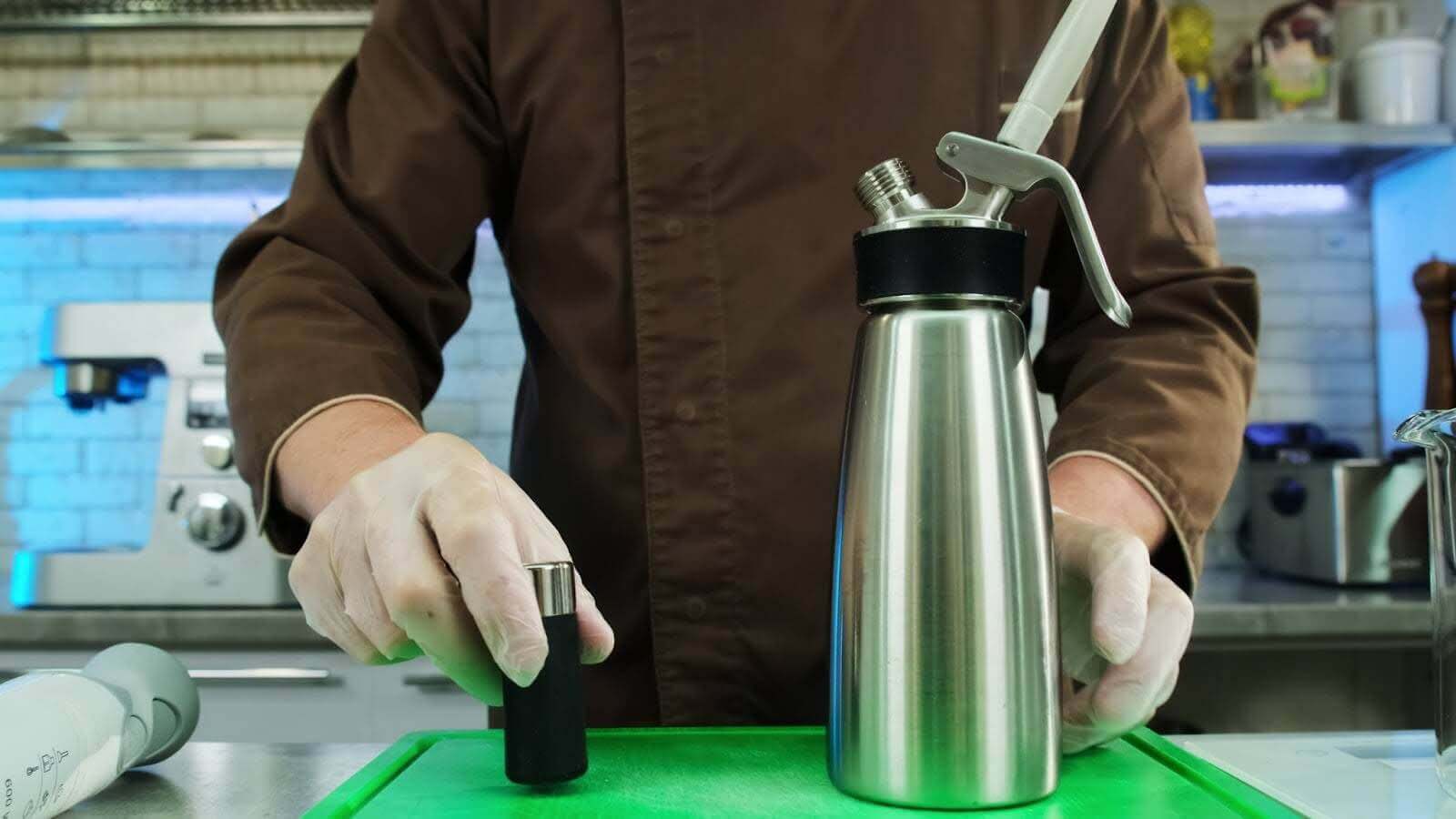
Nitrous oxide tanks aren’t just for professional kitchens or labs—they’re becoming increasingly popular for home use, especially for culinary enthusiasts who love experimenting with whipped cream, foams, and other creative recipes. But with great power comes great responsibility. Using a nitrous oxide tank at home can be safe, enjoyable, and efficient—if you follow the right steps.
Understand What You’re Handling
Before anything else, it’s essential to understand what a nitrous oxide tank actually is. It’s a pressurized container that stores nitrous oxide gas, commonly used in whipped cream dispensers or for culinary applications. While it’s perfectly safe when handled correctly, misuse can lead to accidents, injury, or even property damage.
Choose the Right Equipment
Not all nitrous oxide tanks are created equal. For home use, smaller tanks are usually better—they’re easier to store, control, and use safely. Make sure you’re using a high-quality, food-grade tank, along with a proper dispenser or regulator designed for home use. Cheap or makeshift equipment can increase risks significantly.
Store Your Tank Properly
Storage is often overlooked, but it’s one of the most important safety steps. Keep your tank in a cool, dry place away from direct sunlight or heat sources. Never store it near open flames or flammable materials. It’s also a good idea to secure the tank upright to prevent it from tipping over.
Handle With Care
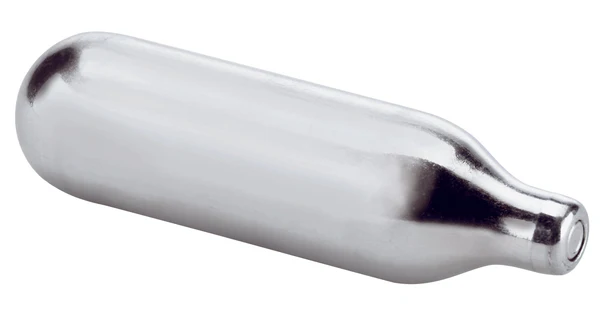
When using the tank, always follow basic safety rules. Avoid shaking or dropping the tank, and never attempt to refill it yourself unless you’re trained. Always check connections and seals before use—leaks are dangerous and can reduce the effectiveness of your dispenser.
Follow Usage Guidelines
For culinary purposes, always use the tank in a well-ventilated area. Follow the manufacturer’s instructions for attaching the charger to your whipped cream dispenser. Don’t try to modify the tank or combine it with other substances. If you’re new to nitrous oxide, start slow—practice with small amounts until you’re confident.
Keep Safety Accessories Handy
Consider having gloves, goggles, or a small fire extinguisher nearby—especially if you’re experimenting with heat or open flames in the kitchen. These precautions might seem overkill, but accidents often happen when we’re in a rush or distracted.
Dispose or Refill Responsibly
Once your tank is empty, dispose of it properly or take it to a professional for a refill. Never puncture or throw a pressurized tank into the trash. Many culinary stores offer safe recycling or trade-in programs.
Final Thoughts
Nitrous oxide tanks can be a fun and versatile tool for home cooking, but safety should always come first. By understanding your equipment, storing it properly, and handling it responsibly, you can enjoy all the culinary benefits without unnecessary risks. Remember: a safe kitchen is a happy kitchen!