

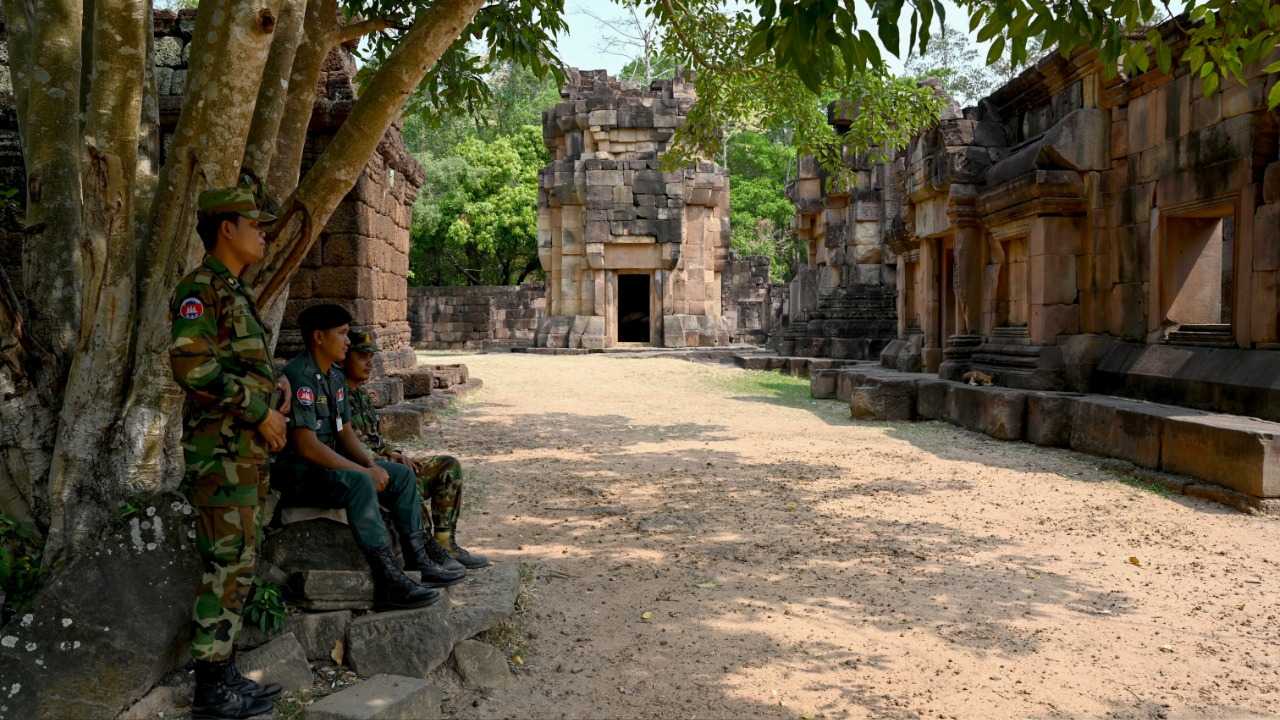
Once more sparking violent conflicts, the long-simmering border issue between Thailand and Cambodia turns a historical argument over territory into a dangerous flashpoint in Southeast Asia. For decades, the exact boundary of their common frontier has been a cause of conflict, especially near historic temple sites. Once a matter of diplomatic haggling and sporadic small-scale conflicts, this has escalated and now raises major questions regarding regional stability and the possibility of more general conflict. The recent violent eruptions underline the frailty of peace in a country aiming for communal progress and emphasize the pressing need for a long-lasting damayi or solution to this complicated territorial dispute.
Historical Roots of the Conflict
Deeply ingrained in history, the roots of the Thailand-Cambodia border conflict trace back to colonial-era charting and different interpretations of treaties signed a century ago. One major source of conflict is the 11th-century temple complex that both countries assert as their own. Although the International Court of Justice decided in 1962 that the temple itself is owned by Cambodia, the precise boundaries of the temple and the surrounding regions are under dispute. This uncertainty has resulted in ongoing conflict since both parties claim sovereignty over contested areas, usually inhabited by local populations whose livelihoods are closely entwined with the contested areas.
Recent Escalation and its Impact
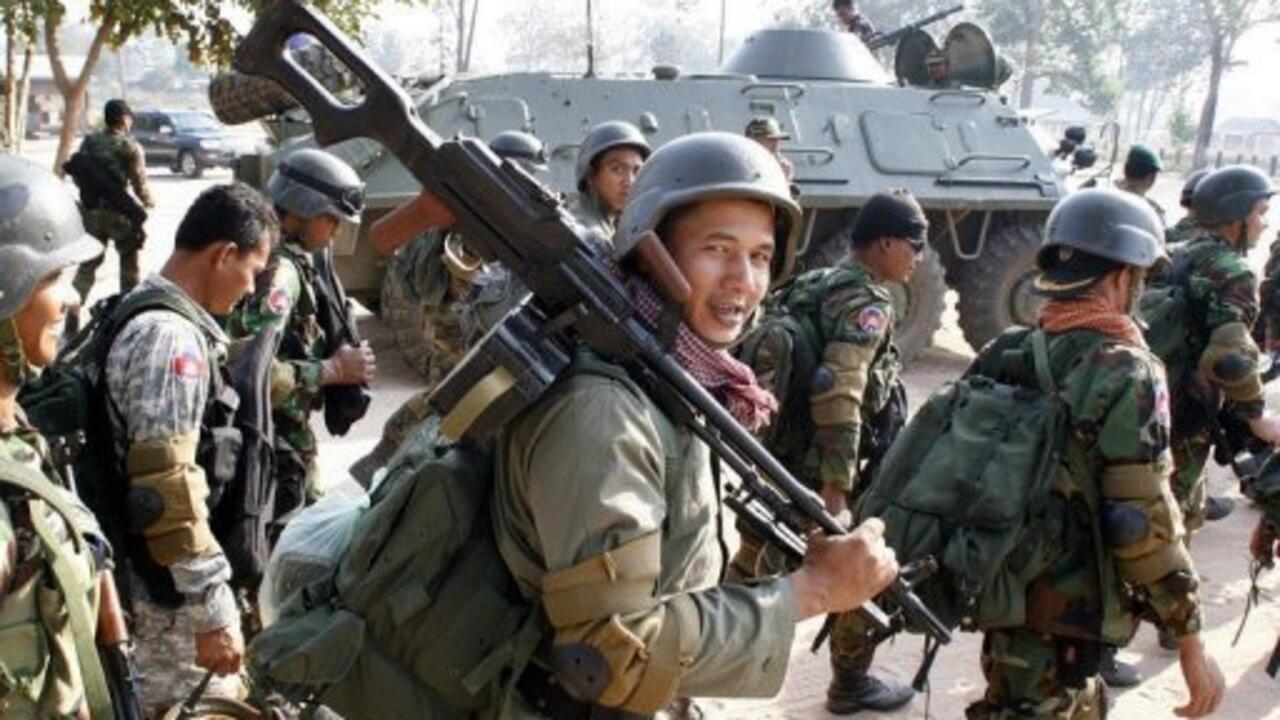
The most recent wave of violence signals a major escalation in the conflict, transcending occasional shooting to steady engagements employing stronger weaponry. Living along the border has had serious repercussions for communities, including extensive relocation and disturbance of daily life. Seeking cover from the violence, many have been compelled to flee their fields and houses. Additionally significant is the economic damage, since many in the area depend on cross-border trade and tourism, which are greatly hampered. The growing intensity of these conflicts points to a risky path that requires quick international intervention to stop more degradation and enable damayi in the impacted regions.
Regional Implications and the Path Forward
The ongoing bloodshed along the Thailand-Cambodia border has important consequences for the whole of Southeast Asia. It tests the values of regional cooperation and stability supported by institutions. Unrest in one area of Southeast Asia could spread outside and influence trade routes, security impressions, and the general environment for investment and development. Thus, a peaceful settlement is not just a regional need but also a bilateral one.
For Thailand-Cambodia as well as for more general Southeast Asia, the aggressive turn in their border conflict raises serious issues. Recent conflicts aggravating the historical complexity of the border highlight the pressing need for a thorough and peaceful settlement. The long-term objective must be a clear, mutually agreed-upon demarcation of the border, even if de-escalation and safeguarding of impacted communities still receive immediate attention.